
Back to Blog
news
Understanding Gastritis: How to Protect and Maintain Your Stomach Health
4 views1 shares
1 share
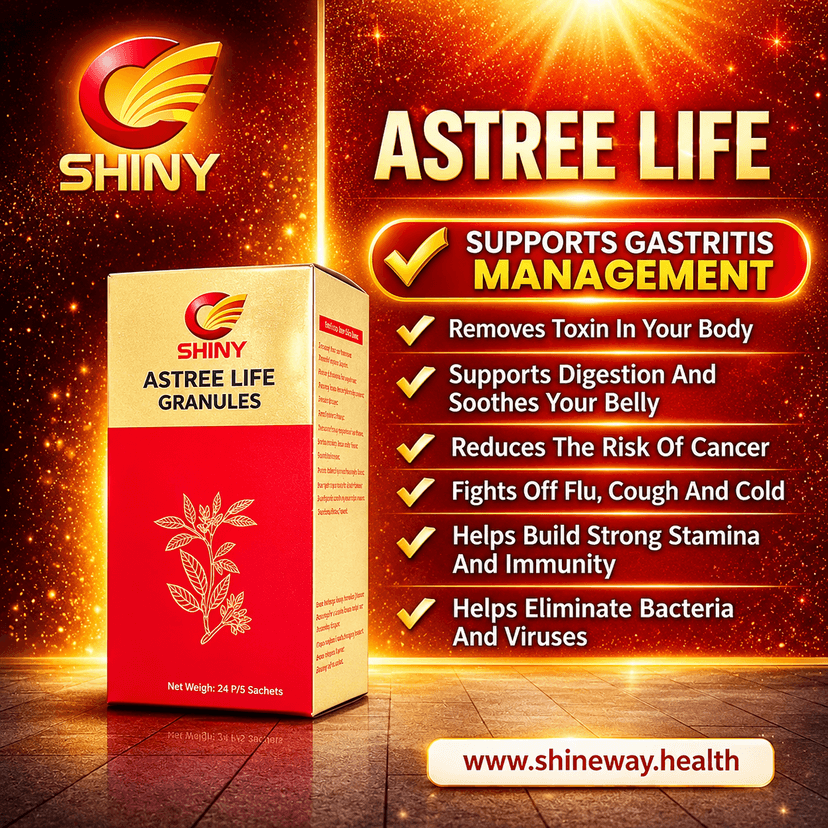
Gastritis: Causes, Symptoms and Effective Management
What Is Gastritis?
Gastritis is the inflammation of the stomach lining, which protects the stomach from digestive acids. When this protective lining becomes irritated or damaged, it can cause discomfort, pain and digestive problems.
Gastritis can develop suddenly (acute gastritis) or gradually over time (chronic gastritis). If not properly managed, certain forms may lead to stomach ulcers and other complications.
Common Causes of Gastritis
Some major causes and contributing factors include:
- H. pylori infection: A bacterial infection that damages the stomach lining.
- Excessive alcohol consumption: Can irritate and weaken the stomach's protective lining.
- Frequent use of painkillers: Medications such as ibuprofen, aspirin and naproxen may damage the stomach lining.
- Autoimmune conditions: Occur when the immune system attacks healthy stomach cells.
- Bile reflux: Backward flow of bile into the stomach can cause irritation.
Spicy, acidic and fatty foods may worsen gastritis symptoms in some individuals, although they are not the primary cause of most cases.
Common Symptoms of Gastritis
Symptoms vary from person to person, but common signs include:
- Burning or gnawing pain in the upper abdomen.
- Frequent bloating and indigestion.
- Nausea and occasional vomiting.
- Feeling full after eating small portions.