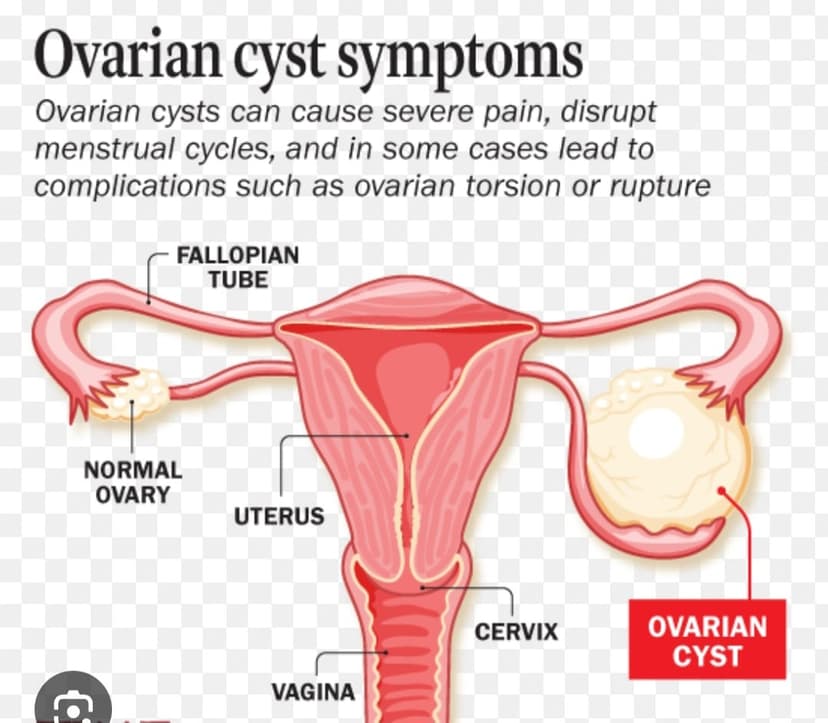
What are ovarian cysts?
What are ovarian cysts?
Ovarian cysts are fluid-filled pockets that grow on the ovaries. Almost all ovarian cysts are non-cancerous (benign), but some are cancerous (malignant), or may become cancerous over time. Many people with ovarian cysts don't have any symptoms or require any treatment, as many go away on their own. However, some ovarian cysts may need removal
- An ovarian cyst is a fluid-filled sac on an ovary.
- Most ovarian cysts are benign and often cause no symptoms.
- Some cysts can cause lower tummy pain, discomfort, or bloating.
- Sudden, severe pain could mean a cyst has burst or twisted.
- An ultrasound scan can confirm an ovarian cyst.
What causes ovarian cysts?
Cysts caused by ovulation
In the early stages of every menstrual cycle, the ovaries normally develop small cyst-like structures called follicles. When ovulation happens, an egg is released from one of these follicles. If a normal follicle keeps on growing, it becomes a 'follicular cyst'. This type of cyst usually disappears within two or three cycles.
Normally, after an egg is released from a follicle, the follicle turns into a gland called the 'corpus luteum'. The corpus luteum produces hormones (mostly progesterone) in preparation for pregnancy.
If pregnancy occurs, hormones from the corpus luteum ensure that the developing fetus gets enough blood supply; eventually, the placenta takes over and the corpus luteum shrinks. If pregnancy doesn't happen, the corpus luteum shrinks and disappears. However, sometimes, the corpus luteum can fill with fluid or blood, causing a 'luteal cyst'.
Follicular and luteal cysts are both called 'functional' cysts', because they develop as part of the normal functions of the menstrual cycle and usually resolve by themselves.
What does ovarian cyst pain feel like?
Ovarian cyst pain varies between different women. It may be sharp or dull; it may come and go or be present all the time; it may or may not be affected by your menstrual cycle. If an ovarian cyst bursts or gets twisted, it can cause sudden, very severe pain which can be mistaken for other serious abdominal conditions such as appendicitis.
Ovarian cyst pain usually occurs on one side, but it can be in your lower tummy, deep down in the pelvis or both. The main symptom can be a dull ache or discomfort related to feeling bloated.
Pain may only occur when you have sex
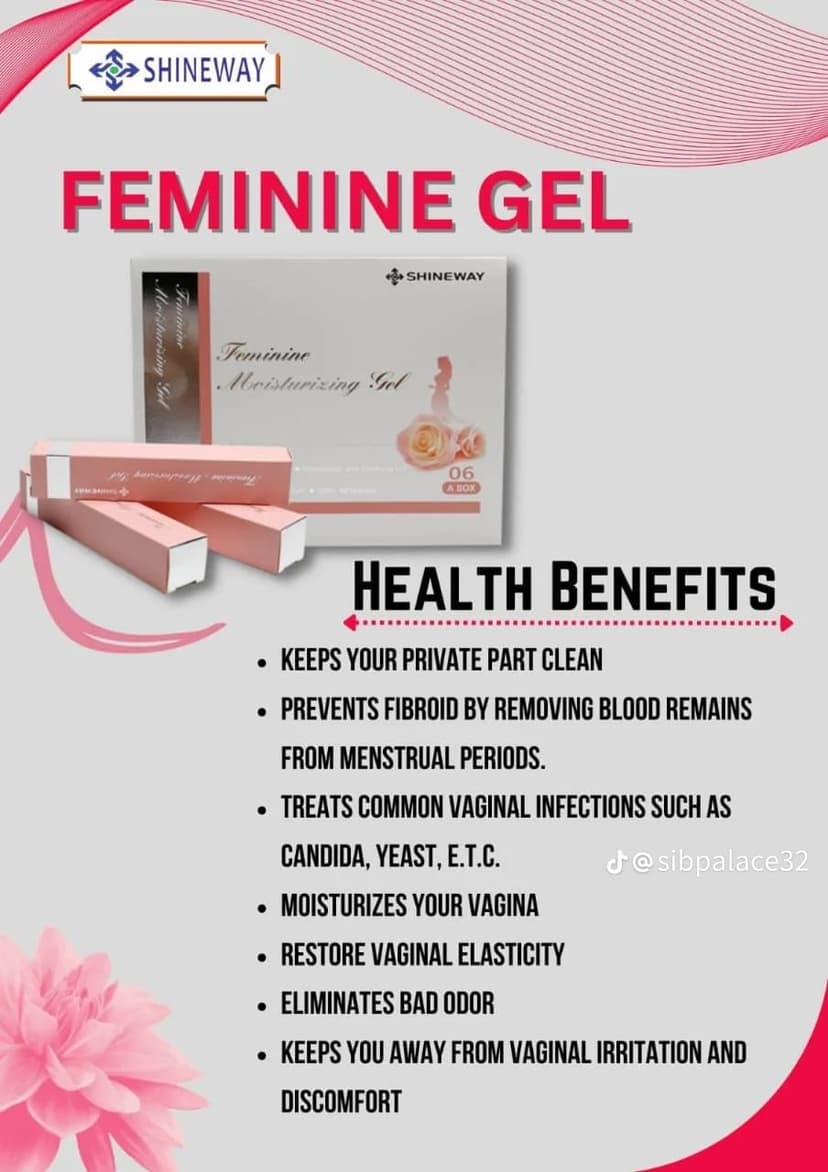
Treatment: Use shiny feminine gel